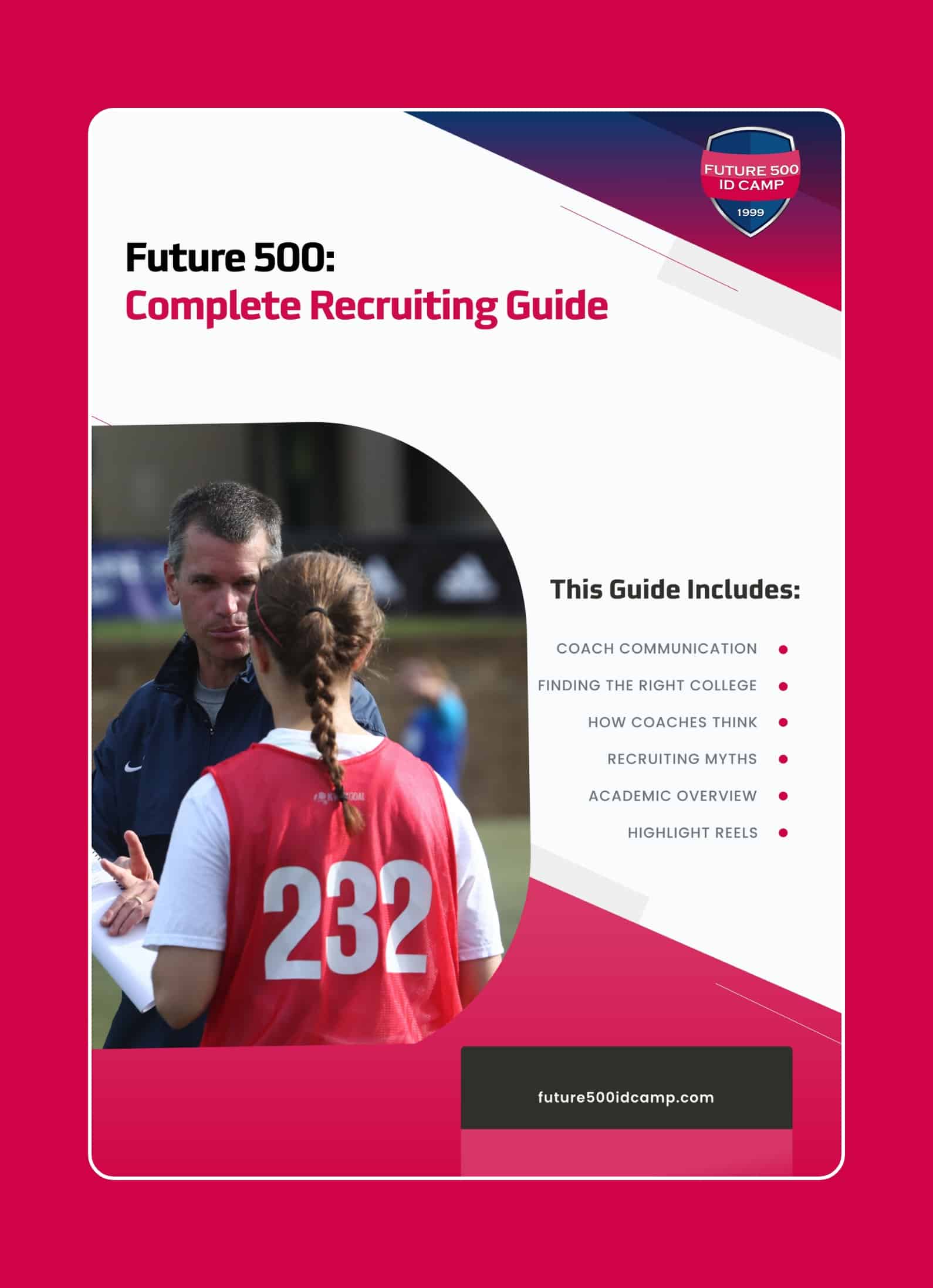

College Recruiting: Do This – Don’t Do That!
The college soccer recruiting process can feel overwhelming for both student-athletes and their families. As a parent, your role is critical—not to lead the process, but to provide support, encouragement, and guidance from behind the scenes. Success in recruiting isn’t just about securing a roster spot; it’s about helping your child find the right fit—academically, athletically, and socially.
By focusing on the bigger picture, you can help your child make informed decisions that will benefit them not just during their college years but well beyond. In this article, we’ll break down the do’s and don’ts of the college soccer recruiting process so you can effectively support your child on their journey.
Do This: Best Practices for the Recruiting Process
Supporting your child in the college soccer recruiting process requires planning, organization, and the right mindset. Here are actionable steps you can take to set them up for success:
1. Proactively Focus on Fit
The most important factor in recruiting is finding the right overall fit. Consider your child’s:
- Academic Goals: What schools align with their desired major or career path?
- Athletic Level: Where can they realistically compete and develop as a player?
- Social and Geographic Preferences: Does the campus culture and location suit their personality and preferences?
Encourage your child to prioritize fit over the division (DI, DII, DIII, NAIA, or JUCO) or athletic scholarships. A program that matches their goals and values will ultimately provide the best college experience.
2. Guide from Behind
Empower your child to take ownership of their recruiting journey. Instead of leading the process for them, serve as a supportive guide. Help them stay organized, but allow them to communicate directly with coaches, schedule campus visits, and handle recruiting conversations.
3. Understand NCAA Recruiting Rules and Calendars
Stay informed about NCAA recruiting rules and timelines to ensure your child is compliant and making the most of recruiting opportunities. Understanding when and how coaches can contact athletes is critical for navigating the process effectively.
4. Review Communication with Coaches
While your child should handle most direct communication with college coaches, reviewing emails, texts, and other messages together can help you provide guidance. Help them craft professional and personalized messages that highlight their strengths and interest in the program.
5. Help with Financial Planning
One of the most significant aspects of the college decision-making process is understanding the financial implications. Assist your child in navigating:
- Financial Aid: Research potential scholarships and grants.
- Athletic Scholarships: Understand how they work and whether they’re renewable.
- Tuition and Costs: Compare costs between schools and consider affordability.
Being proactive in financial planning ensures your child can make an informed decision without unnecessary stress.
6. Practice Conversations with Coaches
College coaches want to recruit confident, communicative athletes. Help your child prepare for conversations by role-playing as the coach. Practicing questions and answers can increase their comfort level and improve their ability to make a strong impression during phone calls, video meetings, or campus visits.
7. Encourage Academic Excellence
Remind your child that academic success is just as important—if not more important—than athletic success. Strong grades not only increase their chances of admission but also open up additional financial aid and scholarship opportunities. As a parent, you can serve as:
- An Academic Counselor: Work with their high school’s guidance office to ensure they’re taking the right courses to meet NCAA eligibility requirements.
- An Encourager: Help your child stay motivated to perform well in the classroom.
By keeping academics at the forefront, you’ll ensure your child has long-term opportunities both on and off the field.
Don’t Do This: Common Mistakes to Avoid
While there’s a lot you can do to support your child, there are also pitfalls to avoid. Here are the most common mistakes parents make in the college soccer recruiting process:
1. Don’t Evaluate Your Child’s Talent Yourself
As a parent, it’s natural to believe your child is the best player on the field—but your bias can cloud judgment. College soccer is extremely competitive, and the level of play is often much higher than parents realize. Leave talent evaluations to club and high school coaches or college recruiters who have experience assessing players.
2. Don’t Communicate with Coaches on Behalf of Your Child
Coaches want to hear directly from the student-athlete—not the parent. Avoid:
- Emailing or calling coaches on your child’s behalf.
- Speaking for your child during face-to-face or video meetings with coaches.
Your child needs to demonstrate independence, confidence, and maturity throughout the process. Coaches are evaluating these qualities just as much as they’re evaluating athletic ability.
3. Don’t Go Overboard on the Sidelines
Parents’ behavior at games can influence how coaches view the athlete. If you’re constantly yelling at referees, coaches, or players, it can reflect poorly on your child and hurt their recruiting chances. Always remain composed and supportive, regardless of the situation.
4. Don’t Lose Sight of the Bigger Picture
While college athletics are exciting, the ultimate goal is a college education that sets your child up for lifelong success. Athletics are temporary, but the lessons learned in the classroom, on the field, and throughout the recruiting journey will last a lifetime.
Help your child keep their priorities straight and focus on finding a school where they can thrive academically, socially, and athletically.
How Future 500 ID Camps Can Support the Process
The college soccer recruiting process can be intimidating, but Future 500 ID Camps simplify it by giving student-athletes the tools and opportunities they need to succeed.
Why Future 500?
- Exposure to 50+ College Coaches: Each camp is designed to maximize exposure to NCAA Division I, II, III, and NAIA programs.
- Expert Organization: Camps are structured to provide players with maximum playing time and direct interaction with college coaches.
- Recruiting Tools: Future 500 provides high-quality game film through VEO, allowing players to create professional highlight reels to send to coaches.
- Guidance for Families: Parents and players receive recruiting advice and tools to navigate the process confidently.
By attending a Future 500 ID Camp, families can take a proactive approach to recruiting, ensuring they’re making informed decisions and maximizing opportunities.
Final Thoughts
Navigating the college soccer recruiting process requires careful planning, proactive effort, and a focus on what truly matters: finding the right fit for your child. As a parent, you play a crucial role by providing support, guidance, and encouragement while allowing your child to take ownership of their journey.
By following the “do’s”—like focusing on fit, staying organized, and practicing communication—and avoiding the “don’ts”—like evaluating talent yourself or overstepping in coach interactions—you can help your child make the most of their recruiting opportunities.
Finally, consider attending a Future 500 ID Camp to connect with college coaches, gain valuable recruiting insights, and take an important step toward achieving your child’s college soccer dreams.
FAQs
What is the role of parents in the college soccer recruiting process?
Parents should guide from behind, helping with organization, financial planning, and encouragement, while allowing the student-athlete to take ownership of the process.
When should my child start the recruiting process?
Ideally, athletes should start their recruiting journey during their freshman or sophomore year of high school to maximize opportunities and stay ahead of key deadlines.
Why shouldn’t parents communicate with college coaches?
Coaches want to hear directly from the athlete. Parental involvement in communication can suggest a lack of independence or maturity, which may hurt recruiting opportunities.
How can Future 500 ID Camps help with recruiting?
Future 500 ID Camps provide exposure to 50+ college coaches, access to professional game film, and recruiting tools to help student-athletes stand out in the competitive recruiting process.
What’s the most important factor in recruiting?
Finding the right fit is key. Athletes should prioritize schools that align with their academic, athletic, and personal goals rather than focusing solely on division or scholarships.
How can parents help with academics during recruiting?
Parents can work with school counselors to ensure the athlete meets NCAA eligibility requirements and encourage strong academic performance, which increases opportunities for scholarships and financial aid.