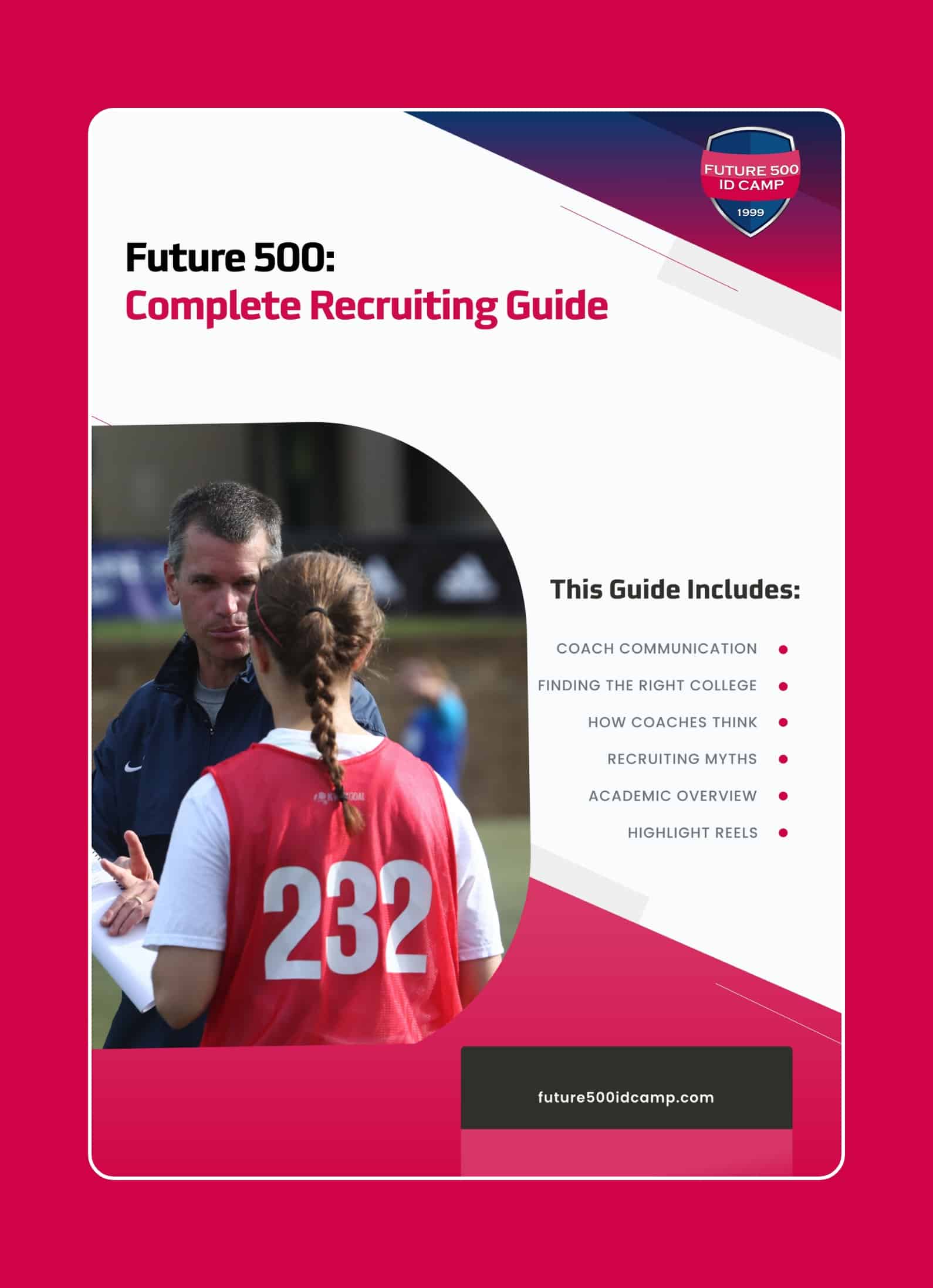

Why a College Coach May Not Respond to Your Email
Reaching out to college coaches is one of the most critical steps in the recruiting process. However, many student-athletes send emails and don’t get a reply, leaving them frustrated and unsure of their next move. If this has happened to you, don’t worry—you’re not alone.
Whether it’s due to NCAA communication rules, timing, or the content of your email, there are many reasons why a coach might not respond. By understanding these factors and learning how to email college coaches effectively, you can improve your chances of getting the response you’re looking for.
NCAA Communication Rules Can Limit Coaches’ Responses
One major reason why a college coach may not respond to your email has nothing to do with you—it’s about NCAA regulations. These rules dictate when and how coaches can communicate with prospective student-athletes, depending on their division level.
NCAA Division I Coaches
In NCAA Division I men’s and women’s soccer, coaches cannot initiate recruiting communication—such as personal emails, phone calls, or texts—until June 15 after the student-athlete’s sophomore year of high school.
Before this date, even if a coach receives your email and is interested, they aren’t allowed to reply. However, you’re still allowed to reach out to them via email, phone, or text. If you call them directly and they answer, they can talk to you. But if they miss your call, they’re prohibited from calling you back.
NCAA Division II Coaches
NCAA Division II soccer coaches follow a similar timeline. They can initiate recruiting communication starting June 15 after your sophomore year. Like Division I, they cannot respond to your emails before this date, but you’re welcome to reach out to them at any time.
NCAA Division III Coaches
NCAA Division III soccer programs have far fewer communication restrictions. Coaches at this level can respond to your emails and initiate communication at any time, although off-campus in-person contact is regulated.
NAIA Coaches
NAIA schools are much more flexible when it comes to recruiting communication. There are no restrictions on when NAIA coaches can contact prospective student-athletes. This allows for earlier and more frequent communication with players.
Understanding these timelines can help you avoid frustration. If you’re reaching out to coaches before they’re allowed to respond, it’s not that they’re ignoring you—it’s simply that they’re not permitted to reply yet.
Your Email Might Get Overlooked
Even if NCAA rules don’t restrict communication, it’s possible that a coach hasn’t responded because they didn’t see your email. College coaches often juggle a packed schedule filled with team practices, games, travel, and recruiting responsibilities.
Timing is Critical
If you email a coach during their competitive season, their focus may be on their team and games rather than responding to prospective recruits. Similarly, during summer months, some coaches may be away from the office, attending tournaments, or taking personal time off.
Overloaded Inboxes
Coaches also receive an overwhelming number of emails, especially during recruiting periods. If your email doesn’t stand out or if it arrives at a particularly busy time, it may accidentally get overlooked.
It’s important to remember that coaches are human too—they’re not intentionally ignoring you. A lack of response doesn’t necessarily mean they’re not interested.
How to Email College Coaches and Get a Response
If you’re wondering how to email college coaches and increase your chances of getting a reply, the key is persistence, strategy, and making your emails stand out. Here are some actionable tips to help you craft the perfect message:
Personalize Every Email
Avoid generic emails that could be sent to any coach. Take the time to address the coach by name, mention specific details about their program, and explain why you’re interested in their school. This shows that you’ve done your research and are genuinely invested in their team.
Include Key Information
Make it easy for coaches to evaluate you by including the following details in your email:
- Full name
- Graduation year
- Position(s) you play
- Club and high school team names
- Highlight video link (if available)
- Upcoming tournament schedule (if applicable)
By providing this information upfront, you give coaches everything they need to assess your potential as a recruit.
Send Follow-Up Emails
If you don’t hear back right away, don’t be discouraged. Coaches appreciate persistence, so consider sending a follow-up email every 7–10 days. Keep your follow-up polite and concise, and reiterate your interest in their program.
Use Your Club Coach as a Resource
If NCAA communication rules are preventing a coach from responding, you can ask your club coach to reach out on your behalf. College coaches often respond to trusted coaching connections more readily than to players they don’t know.
Be Strategic with Timing
Avoid emailing during the busiest times of the season. Instead, aim to contact coaches during recruiting periods or their off-season, when they may have more time to review emails and evaluate prospects.
How Future 500 ID Camps Can Help You Get Noticed
One of the most effective ways to connect with college coaches is by attending soccer ID camps. At Future 500 ID Camps, you’ll have the opportunity to showcase your skills in front of coaches from top NCAA and NAIA programs.
Unlike emails that might get lost in a crowded inbox, attending a camp gives you direct exposure to college coaches who are actively recruiting players. With camps in Philadelphia and Boston, Future 500 provides a platform to not only impress coaches but also receive valuable feedback that can guide your recruiting journey.
Final Thoughts
When a college coach doesn’t respond to your email, it can be frustrating, but it’s important to understand the reasons behind it. NCAA communication rules, packed schedules, or an overloaded inbox are just a few factors that might delay their response.
By learning how to email college coaches effectively, personalizing your message, and staying persistent, you can improve your chances of getting noticed. Additionally, attending events like Future 500 ID Camps can give you the exposure you need to stand out in the competitive world of college soccer recruiting.
Don’t let a lack of response discourage you—stay proactive, keep refining your approach, and remain focused on your goal of playing college soccer.
FAQs
What should I include in an email to a college coach?
Your email should include your full name, graduation year, position(s), club and high school teams, highlight video link, and upcoming tournament schedule.
How often should I follow up with a college coach?
Send a follow-up email every 7–10 days if you don’t hear back. Keep your message polite and concise.
Can a coach respond to me if I’m a freshman or sophomore?
At the NCAA Division I and II levels, coaches cannot initiate communication until June 15 after your sophomore year. However, they can respond to calls if you reach out first.
When is the best time to email a college coach?
The best time to email is during their off-season or recruiting periods, as coaches are less busy and more likely to check their inbox regularly.
What can I do if a coach doesn’t respond to my email?
Be persistent and continue to follow up. You can also ask your club coach to contact the college coach on your behalf.
How do Future 500 ID Camps help with recruiting?
Future 500 ID Camps provide direct exposure to college coaches, giving you the chance to showcase your skills and make meaningful connections with recruiters.